Ursids Meteor Shower
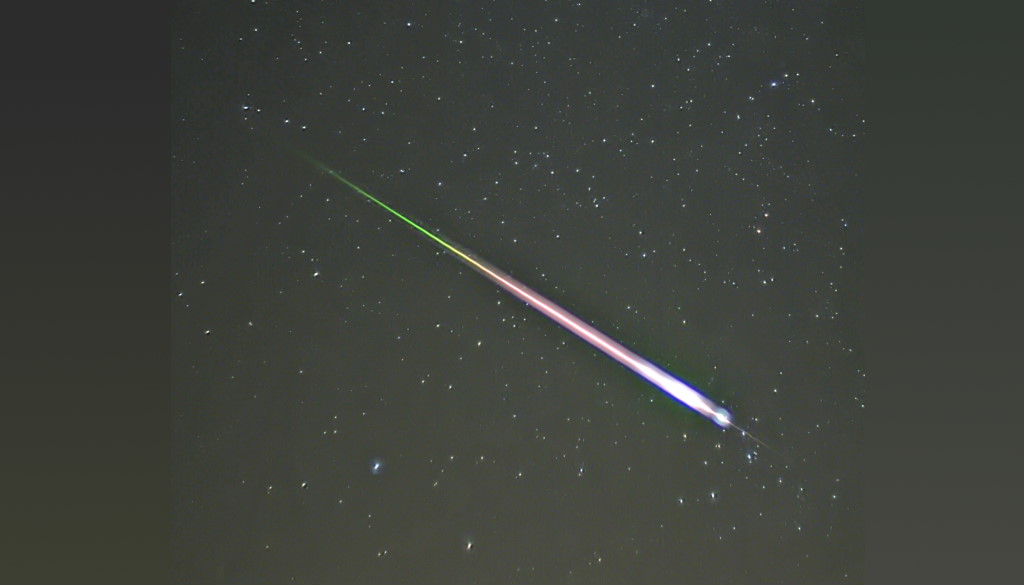
The Ursids peak just before Christmas with rates of 5-10 meteors per hour during the late morning hours.
The Ursids peak just before Christmas with rates of 5-10 meteors per hour during the late morning hours.
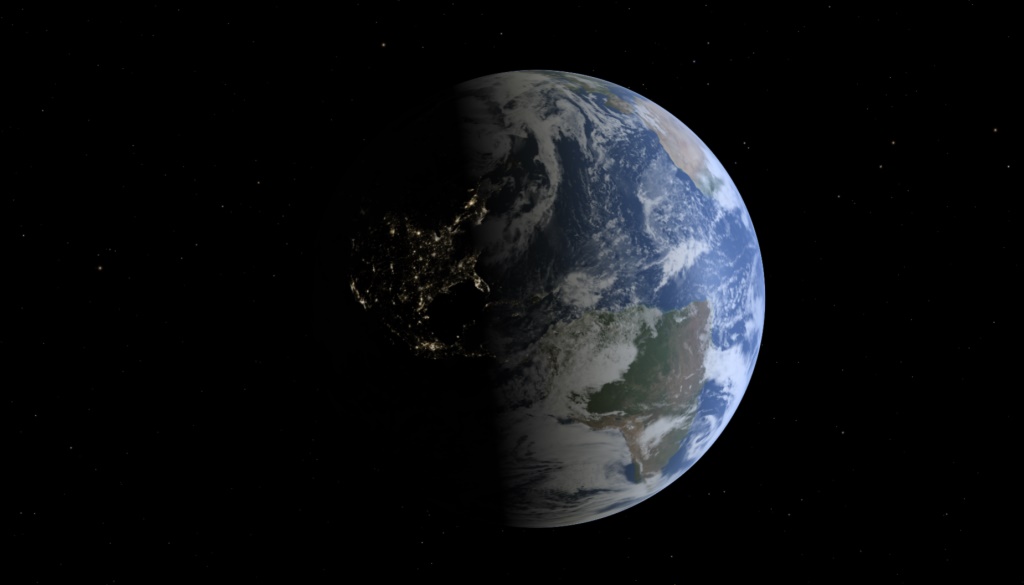
The winter solstice, also called the hibernal solstice, occurs when either of Earth's poles reaches its maximum tilt away from the Sun.
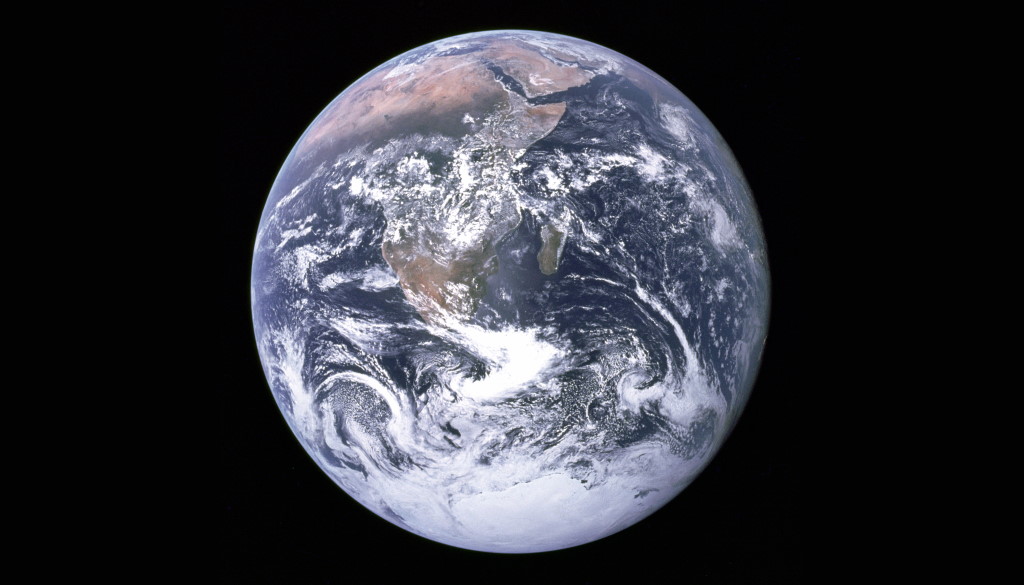
Earth will be at the closest point in its orbit around the Sun on this date - 91,403,034 miles.
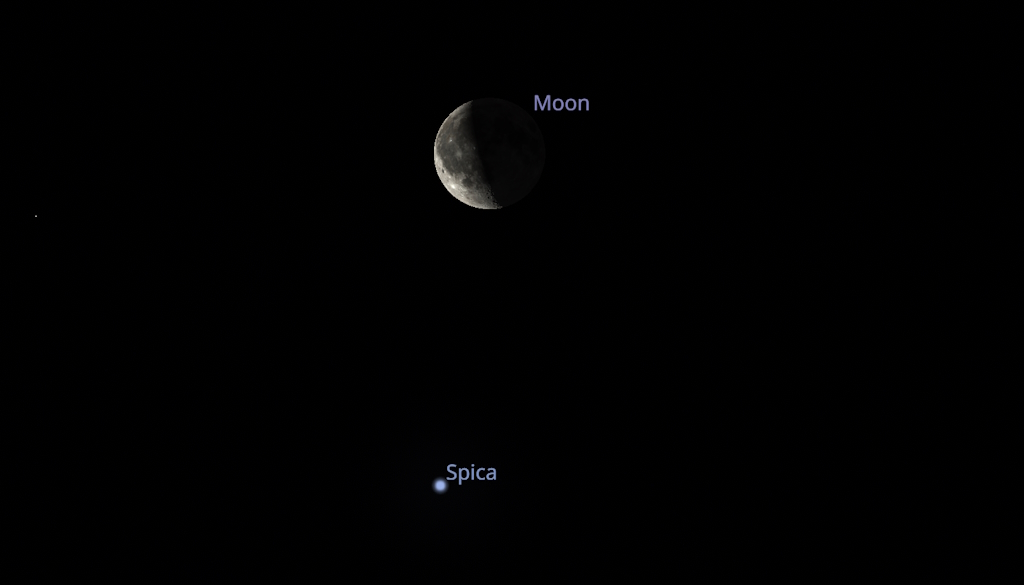
The star Spica will appear 2.0°S of Moon on this date.
The Quadrantids have the potential to be the strongest shower of the year but usually fall short due to the short length of maximum activity (6 hours) and the poor weather experienced during early January. The average hourly rate is 25 meteors per hour.
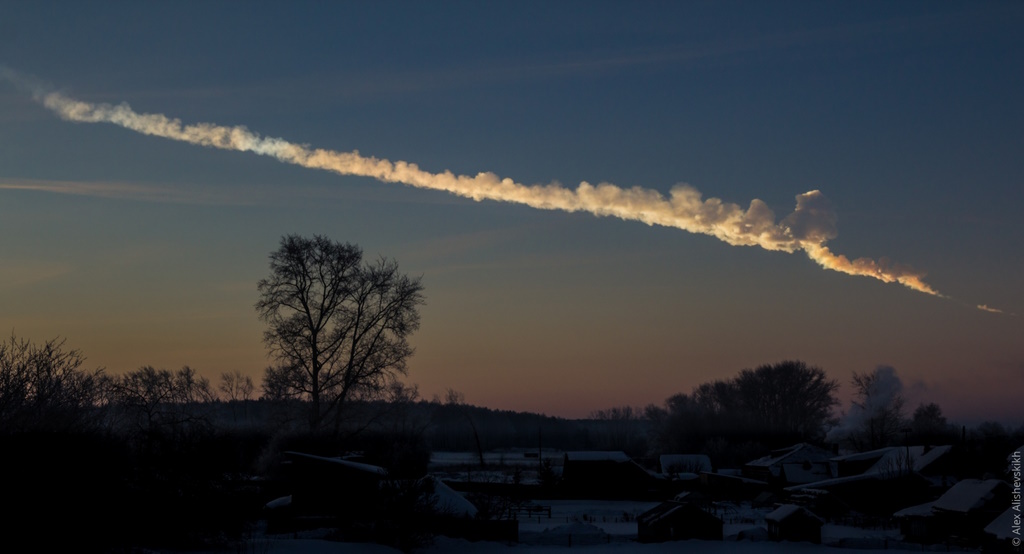
On February 15 2013 an asteroid exploded in the sky over the city of Chelyabinsk, in the the southern Ural region of Russia. The shock wave blew out windows all over the city, injuring over 1600 people, and damaged several buildings.
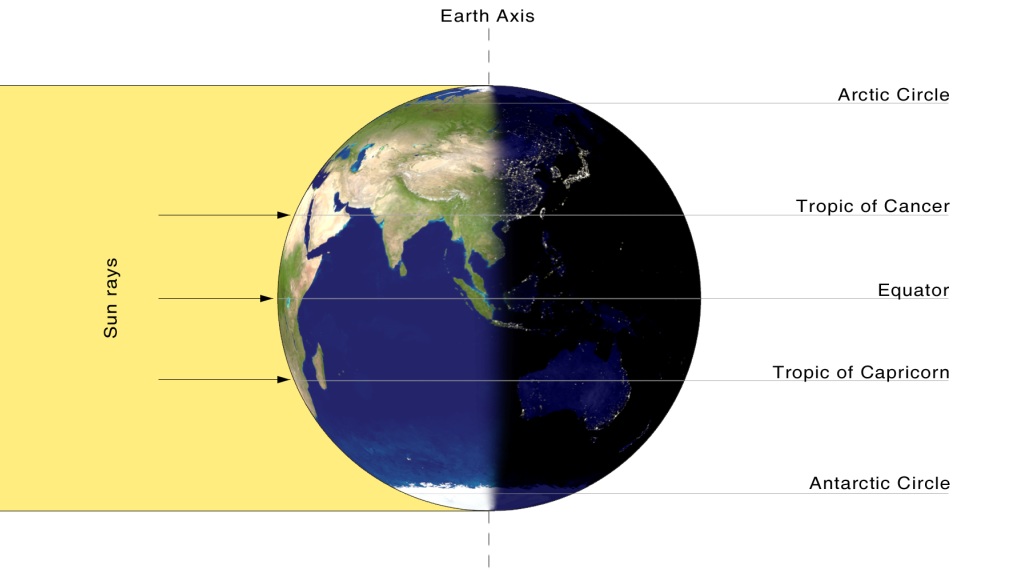
The March equinox marks the beginning of astronomical spring and the end of astronomical winter in the Northern Hemisphere.
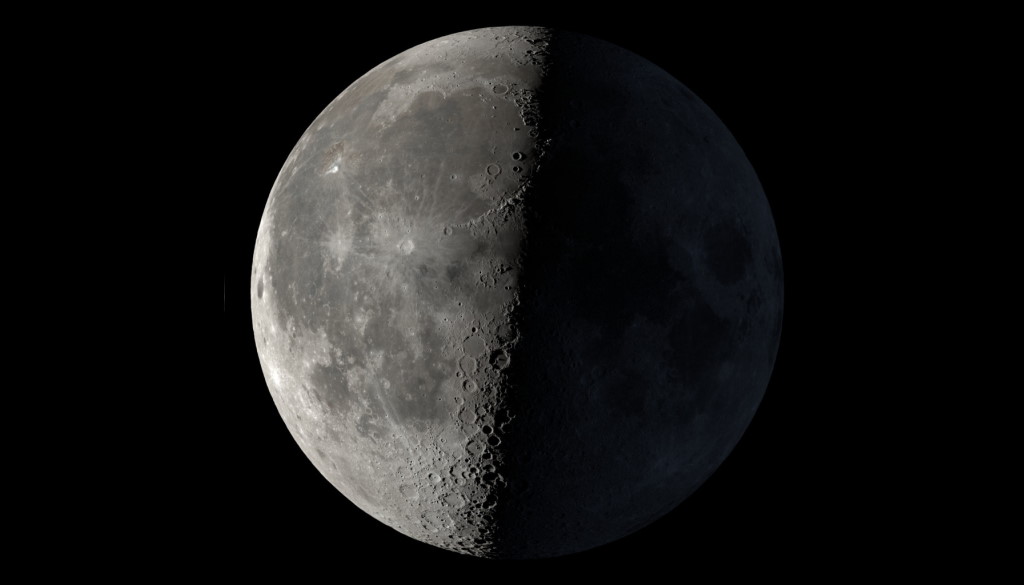
The Moon is at Last Quarter (or Third Quarter) – rising around midnight, and visible to the south after sunrise.
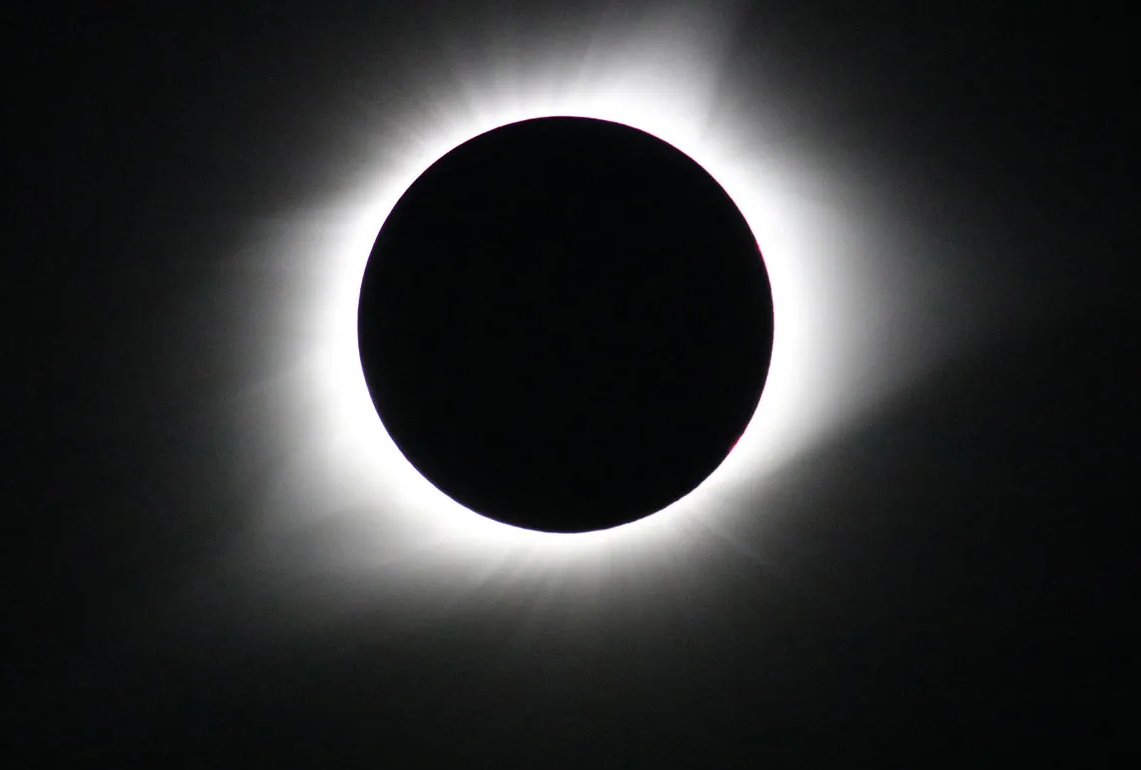
The "Great American Eclipse" occurs on this date - don't miss it!
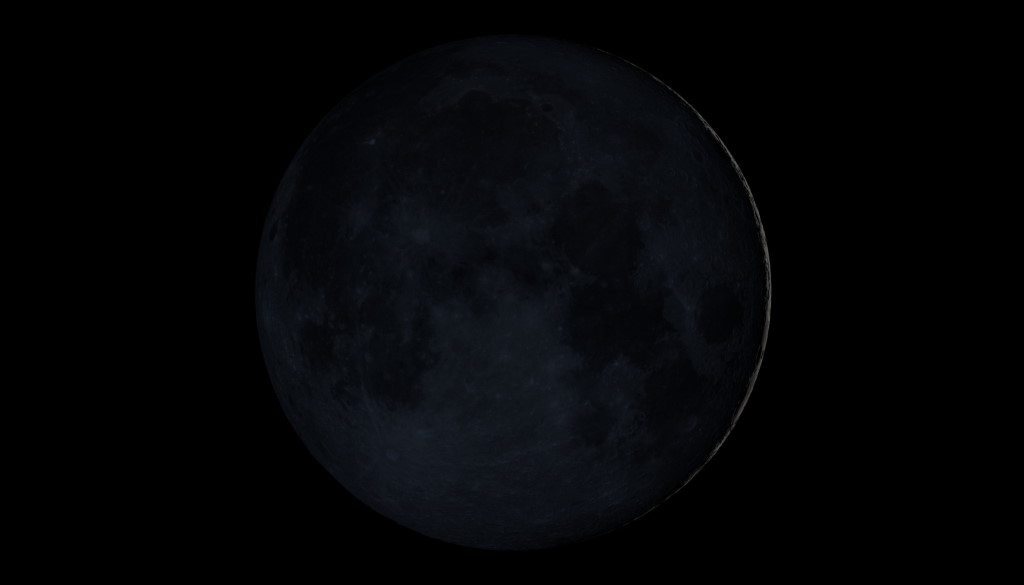
New Moon. By the modern definition, New Moon occurs when the Moon and Sun are at the same geocentric ecliptic longitude. The part of the Moon facing us is completely in shadow then. Pictured here is the traditional New Moon, the earliest visible waxing crescent, which signals the start of a new month in many […]
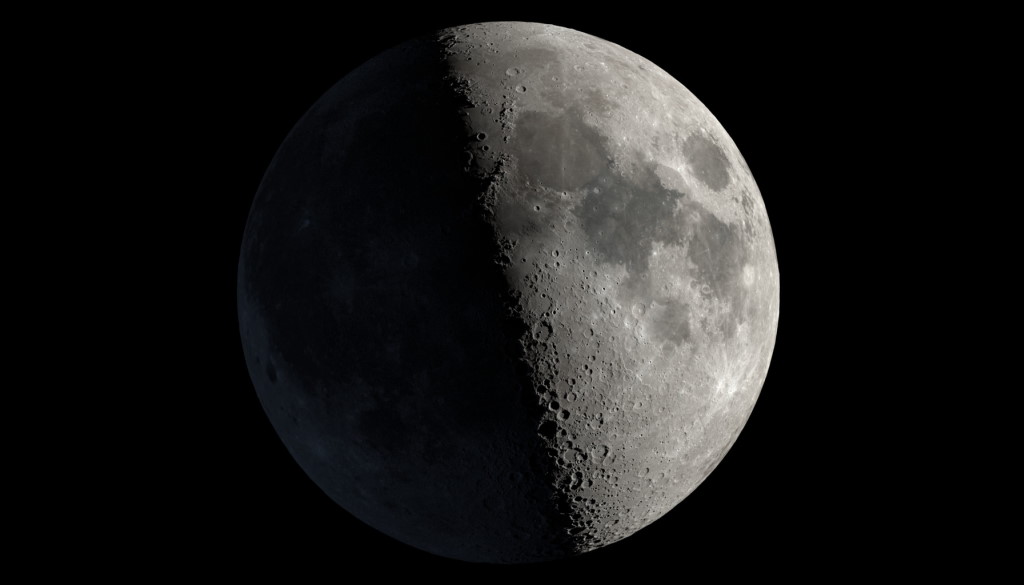
The Moon is at First quarter on this date -it will be visible high in the southern sky in early evening.