Northern Taurids Meteor Shower
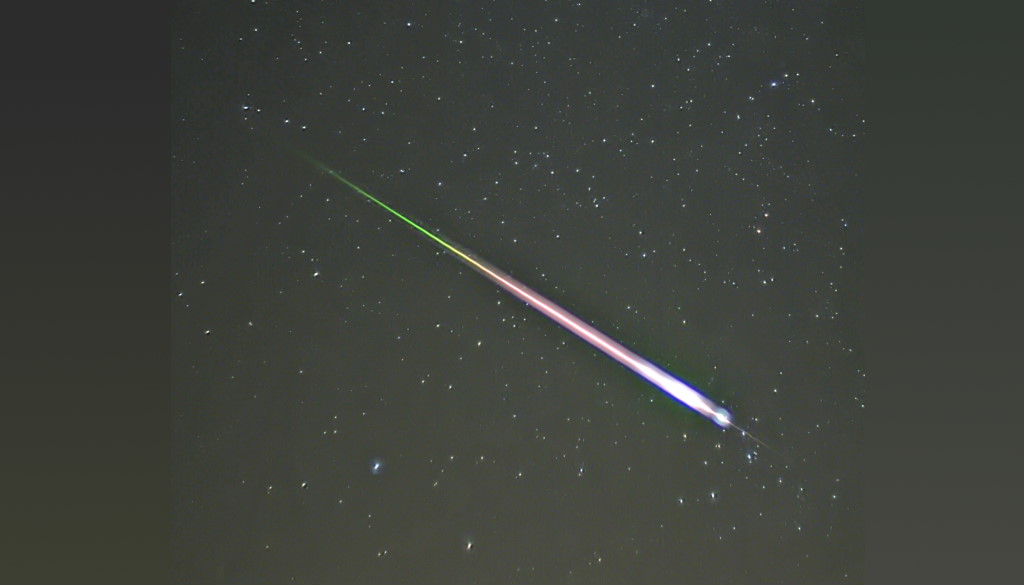
Active from October 13th to December 2nd, 2021, peaks Nov 11-12th

Active from October 13th to December 2nd, 2021, peaks Nov 11-12th
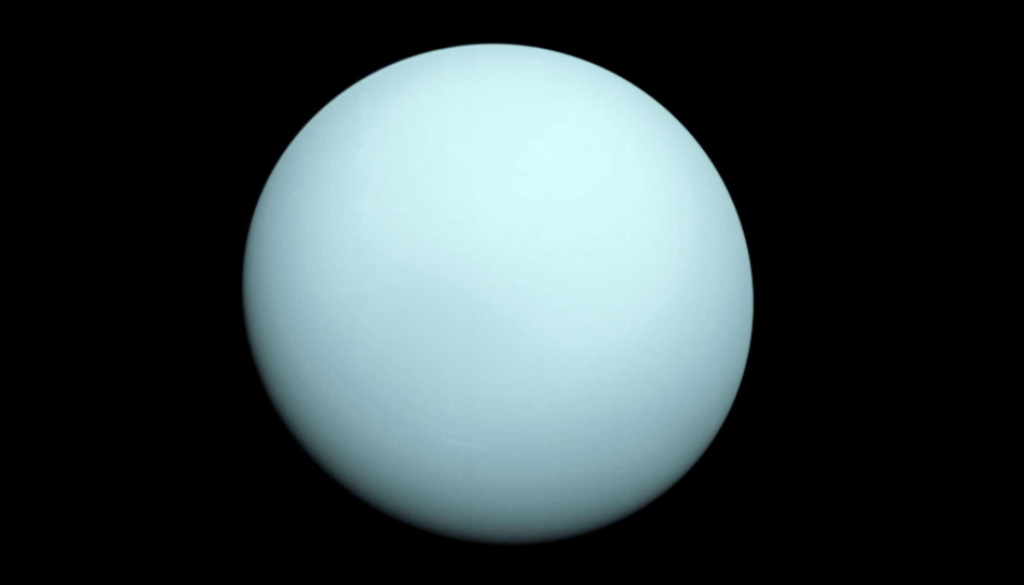
Uranus will be in opposition to the Sun on this date; this is when the Earth is positioned between the Sun and Uranus.
Active from November 3rd to December 2nd, peaks Nov 17-18th
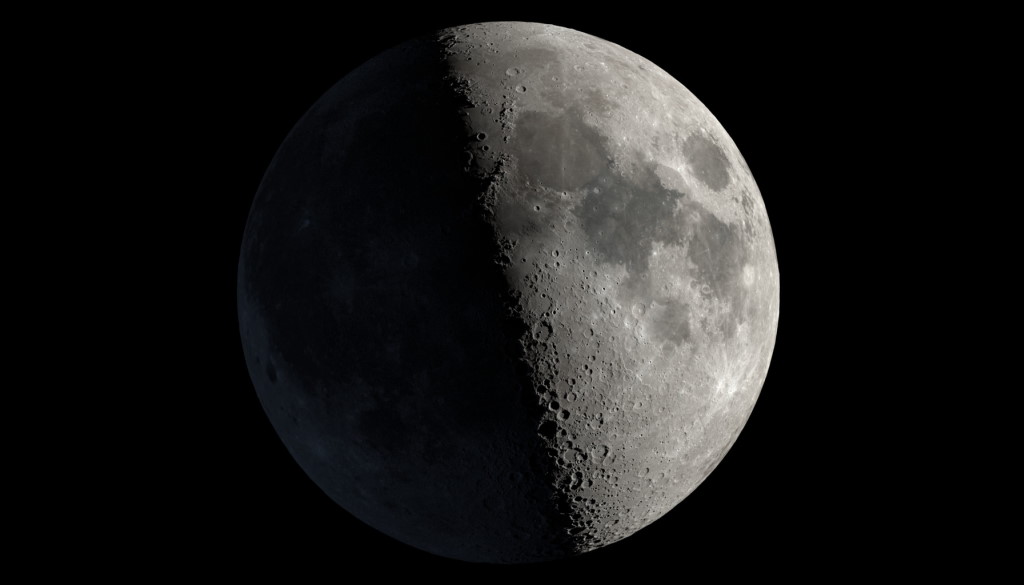
The Moon is at First quarter on this date -it will be visible high in the southern sky in early evening.
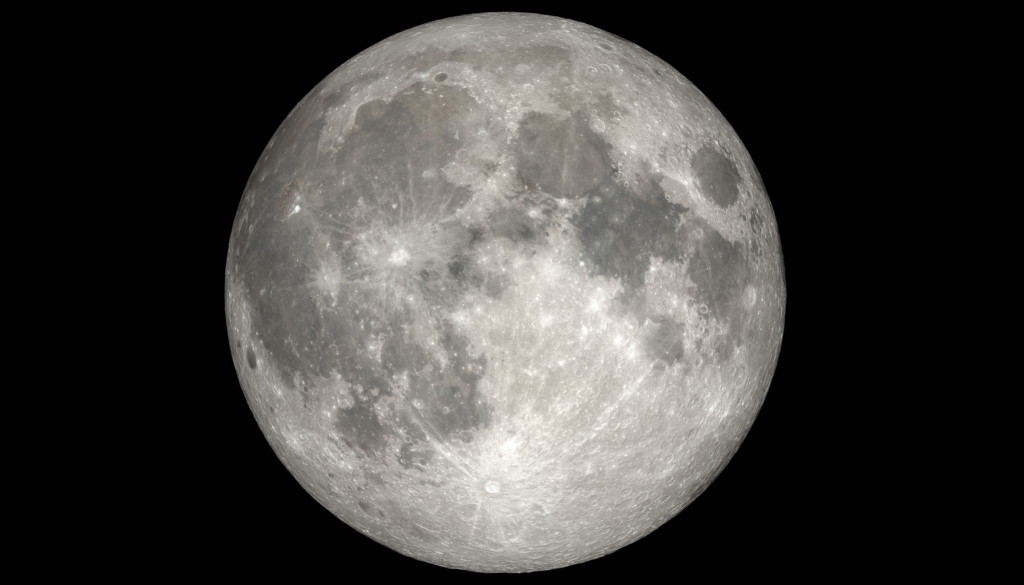
The Full Moon rises at sunset, and is visible all night. The Vatican Observatory's monthly Full Moon Meetup for Sacred Space Astronomy subscribers is held at 10:00 AM Tucson time.
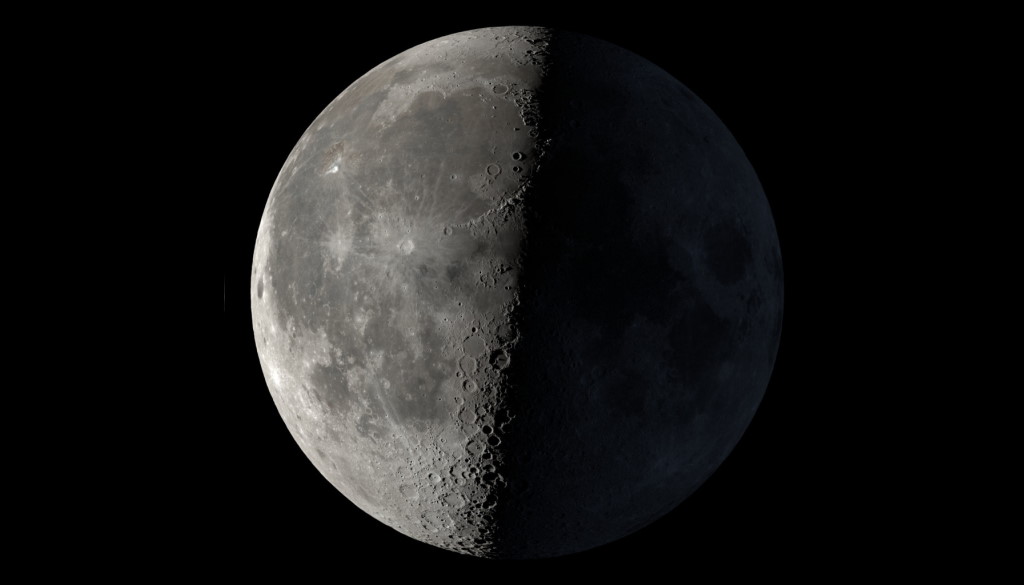
The Moon is at Last Quarter (or Third Quarter) – rising around midnight, and visible to the south after sunrise.
The Ursids peak just before Christmas with rates of 5-10 meteors per hour during the late morning hours.
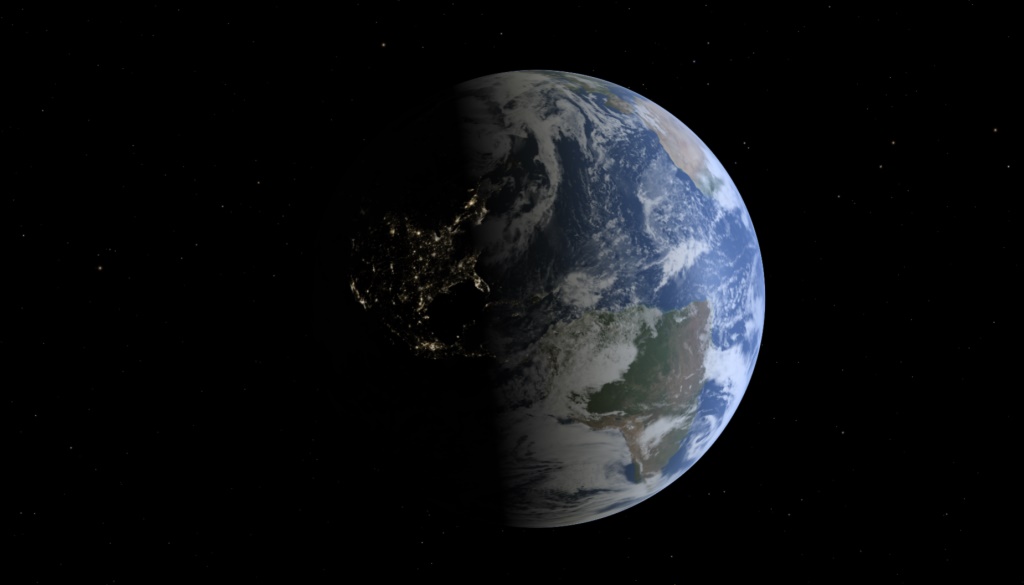
The winter solstice, also called the hibernal solstice, occurs when either of Earth's poles reaches its maximum tilt away from the Sun.
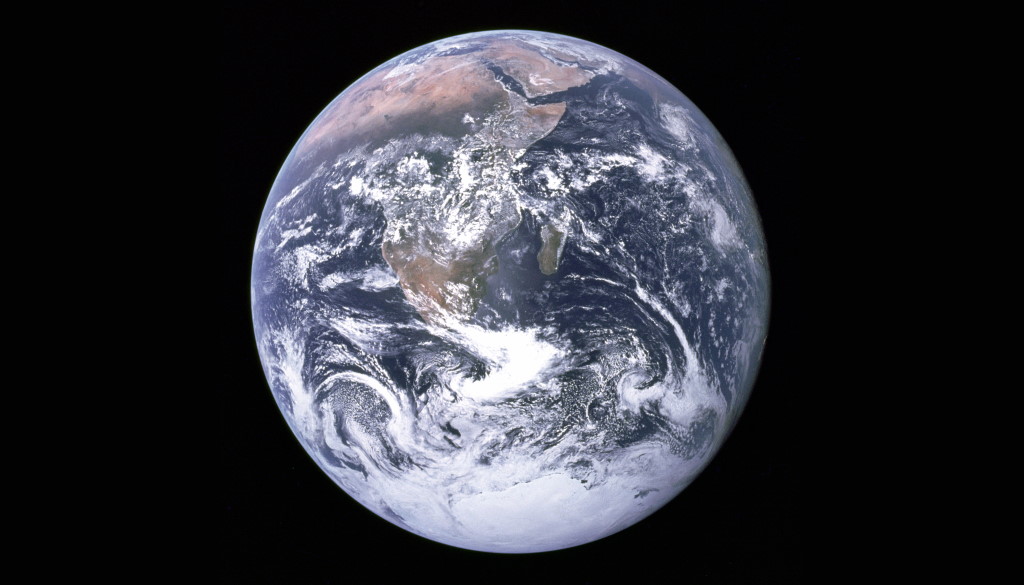
Earth will be at the closest point in its orbit around the Sun on this date - 91,403,034 miles.
The Moon is at Last Quarter (or Third Quarter) – rising around midnight, and visible to the south after sunrise.
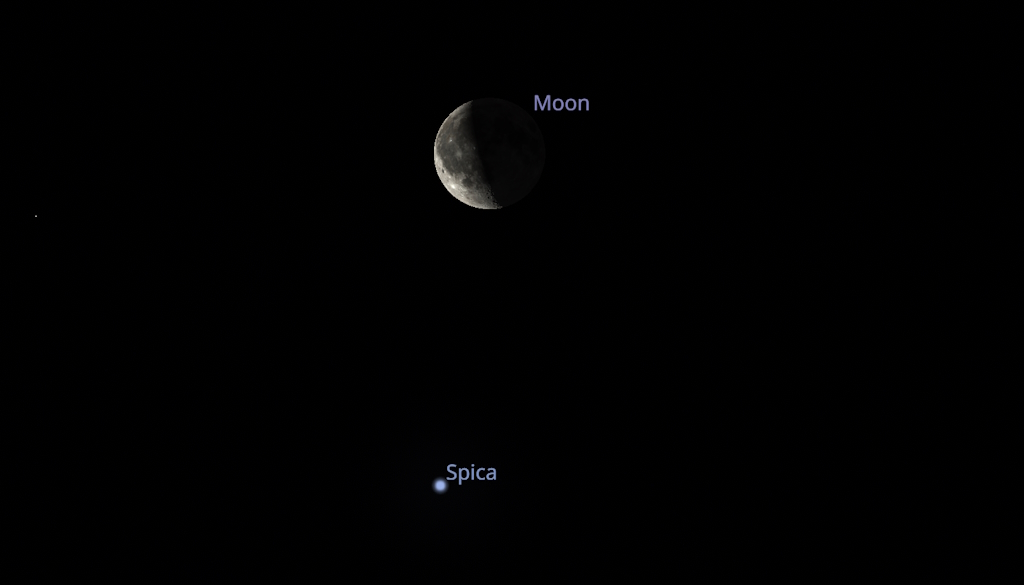
The star Spica will appear 2.0°S of Moon on this date.
The Quadrantids have the potential to be the strongest shower of the year but usually fall short due to the short length of maximum activity (6 hours) and the poor weather experienced during early January. The average hourly rate is 25 meteors per hour.