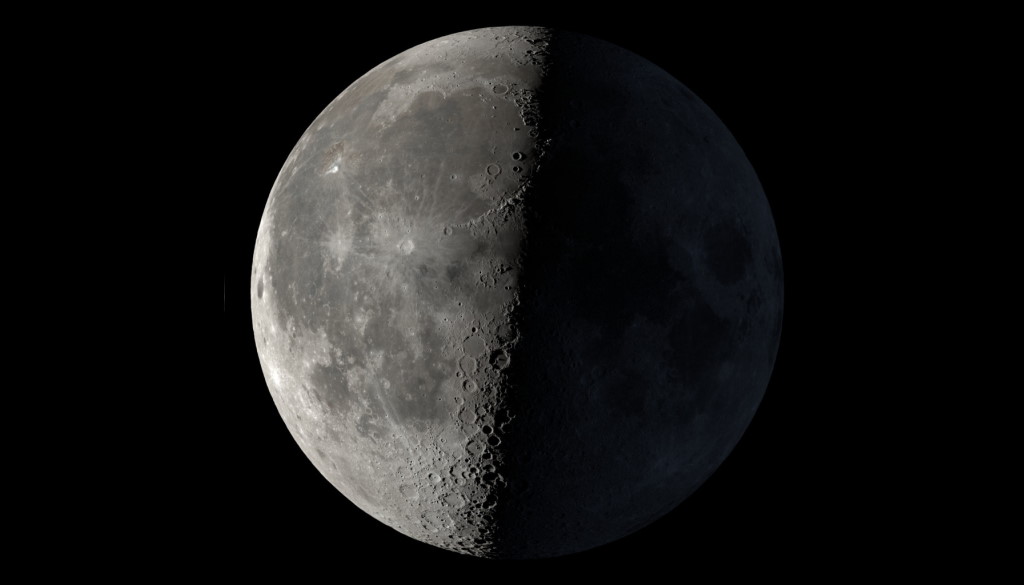
Last Quarter Moon
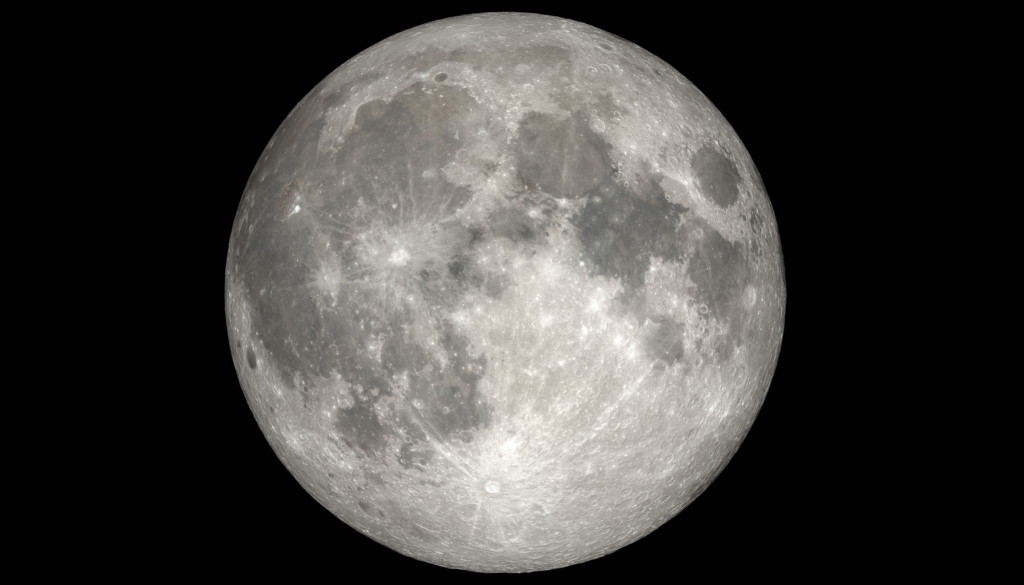
The Moon is at Last Quarter (or Third Quarter) – rising around midnight, and visible to the south after sunrise.
The Moon is at Last Quarter (or Third Quarter) – rising around midnight, and visible to the south after sunrise.
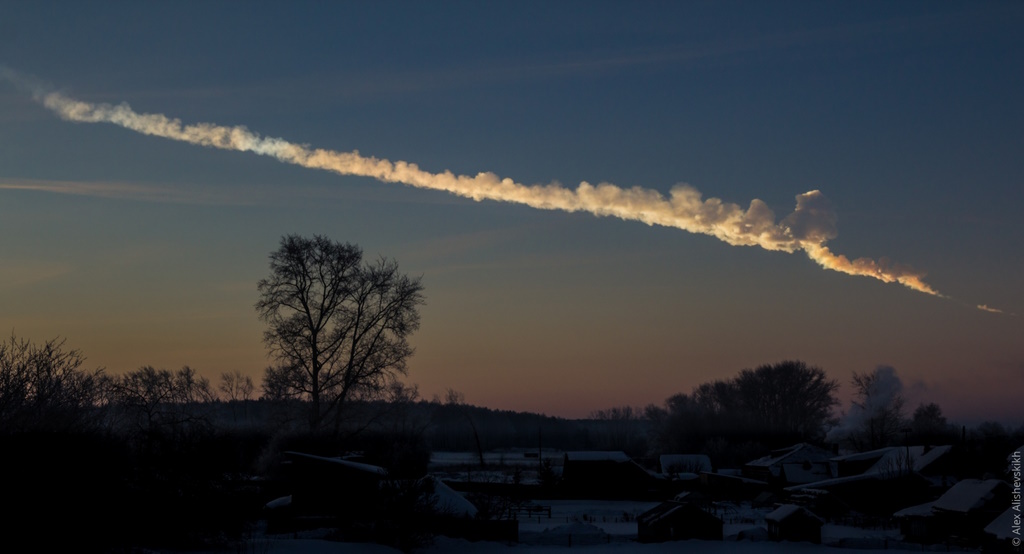
On February 15 2013 an asteroid exploded in the sky over the city of Chelyabinsk, in the the southern Ural region of Russia. The shock wave blew out windows all over the city, injuring over 1600 people, and damaged several buildings.
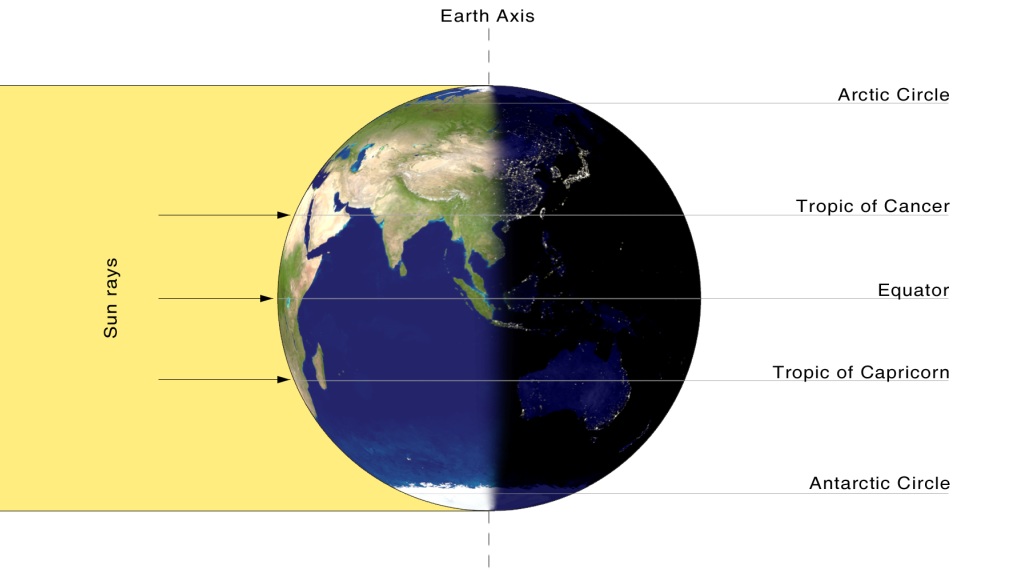
The March equinox marks the beginning of astronomical spring and the end of astronomical winter in the Northern Hemisphere.
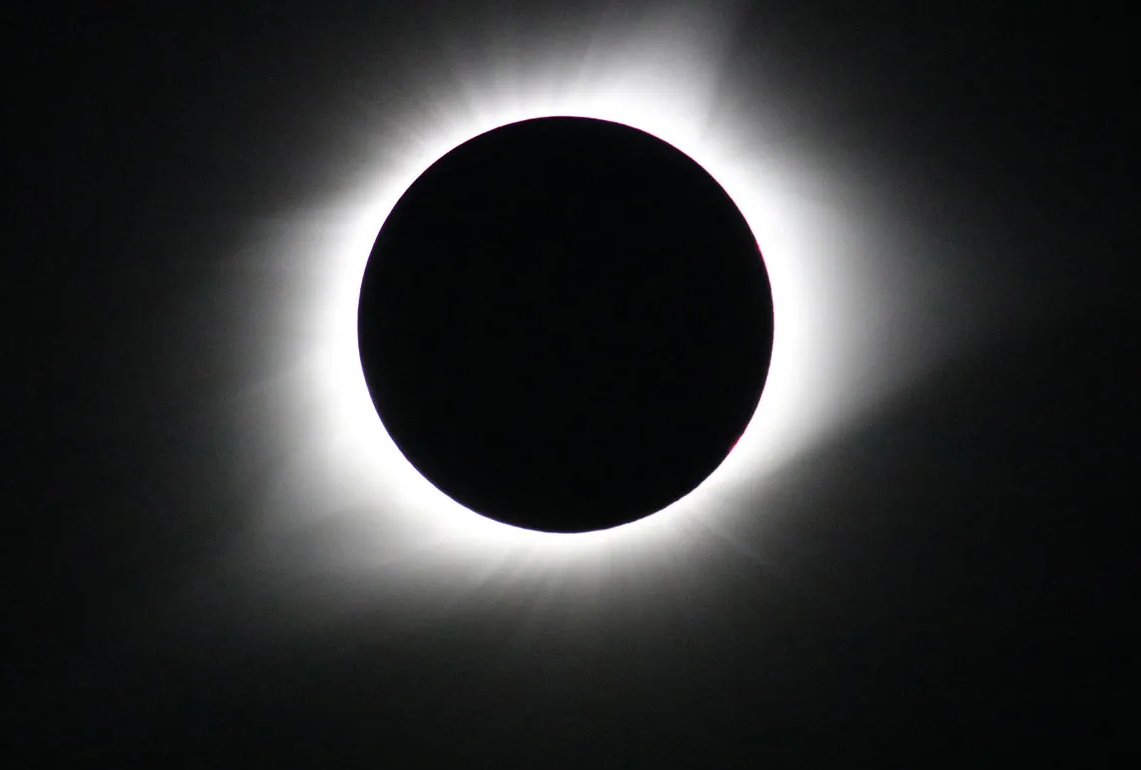
The "Great American Eclipse" occurs on this date - don't miss it!
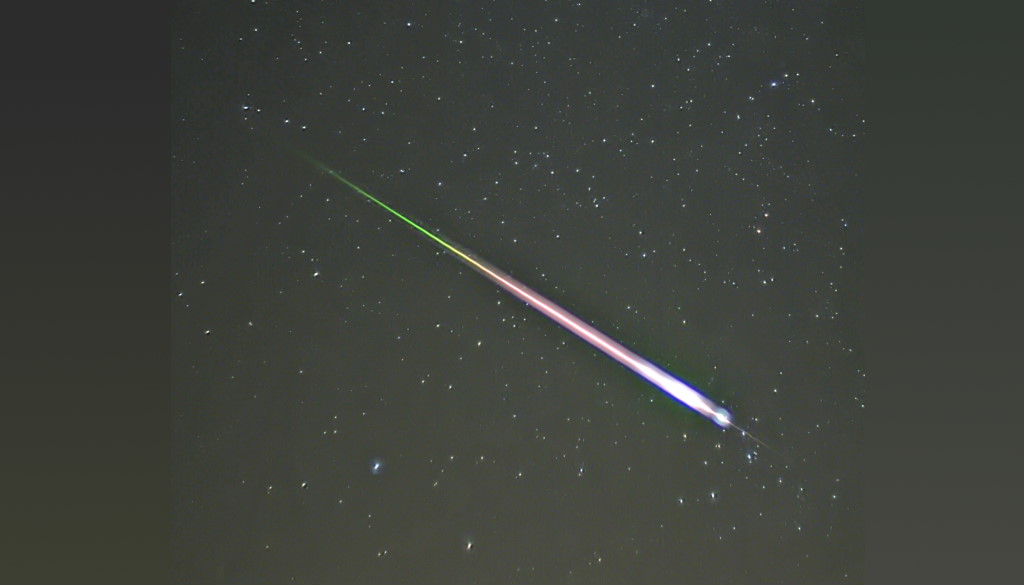
The Eta Aquariids are a strong shower when viewed from the southern tropics. From the equator northward, they usually only produce medium rates of 10-30 per hour just before dawn. […]
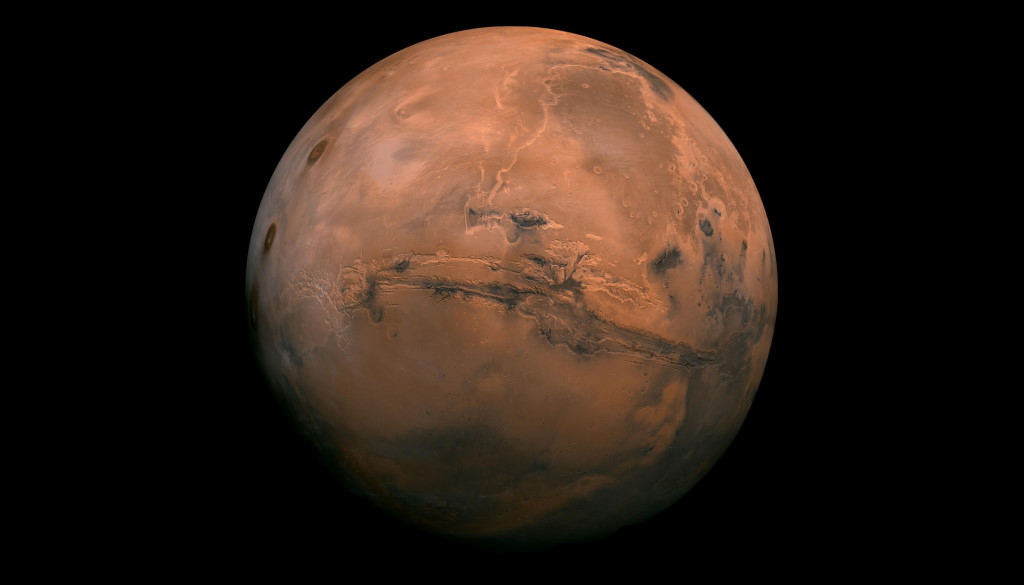
On this day, Mars it closest to the Sun in its orbit.
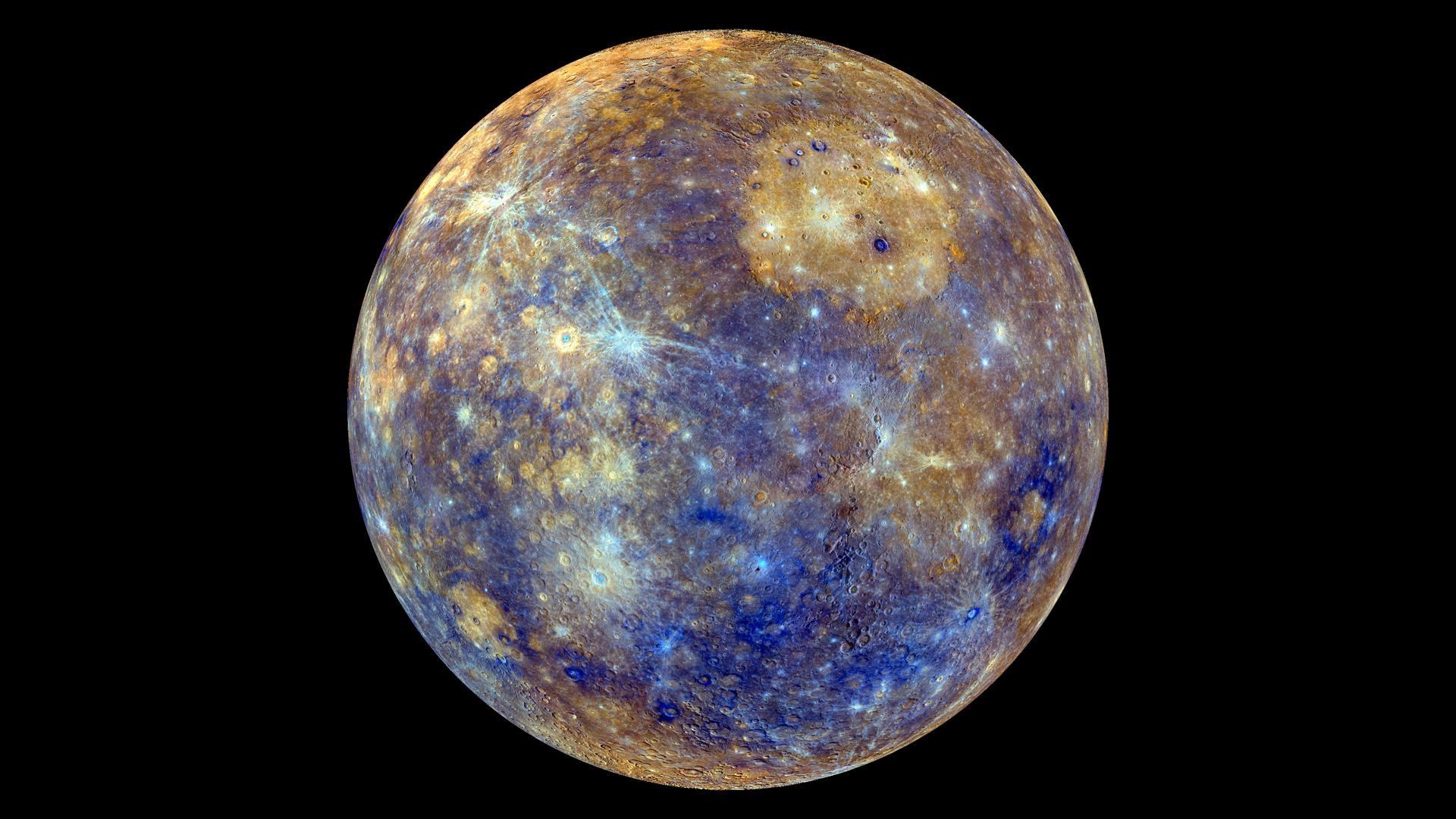
Mercury will reach its greatest separation from the Sun on this date.
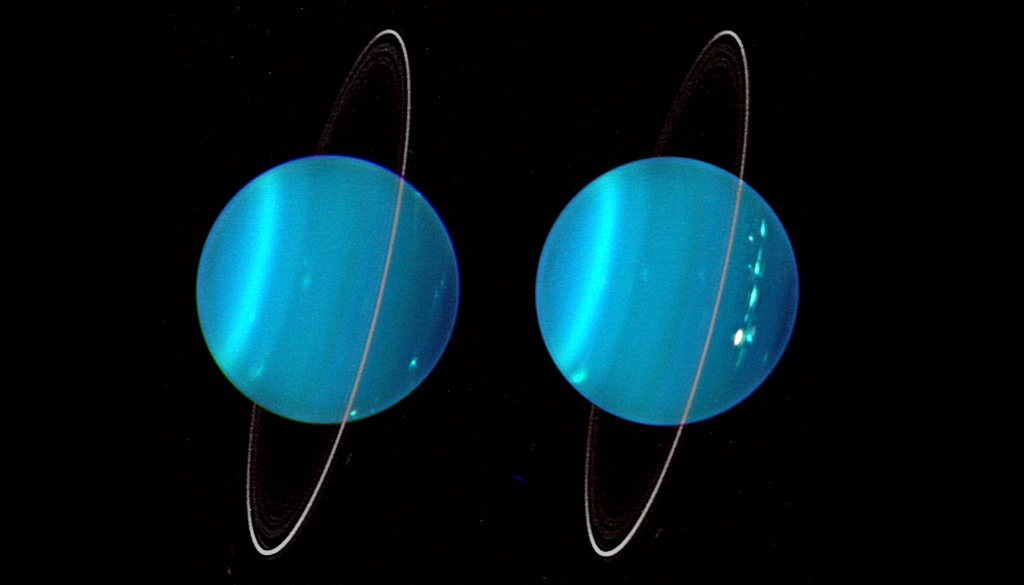
Uranus will pass close to the Sun in the sky as its orbit carries it around the far side of the solar system from the Earth.
The summer solstice is the day when the Sun appears to reach its highest point in the sky during the year - it marks the start of summer in the Northern Hemisphere.
International Asteroid Day is a United Nations-recognized day observed each year on the anniversary of the Tunguska impact event of June 30, 1908.
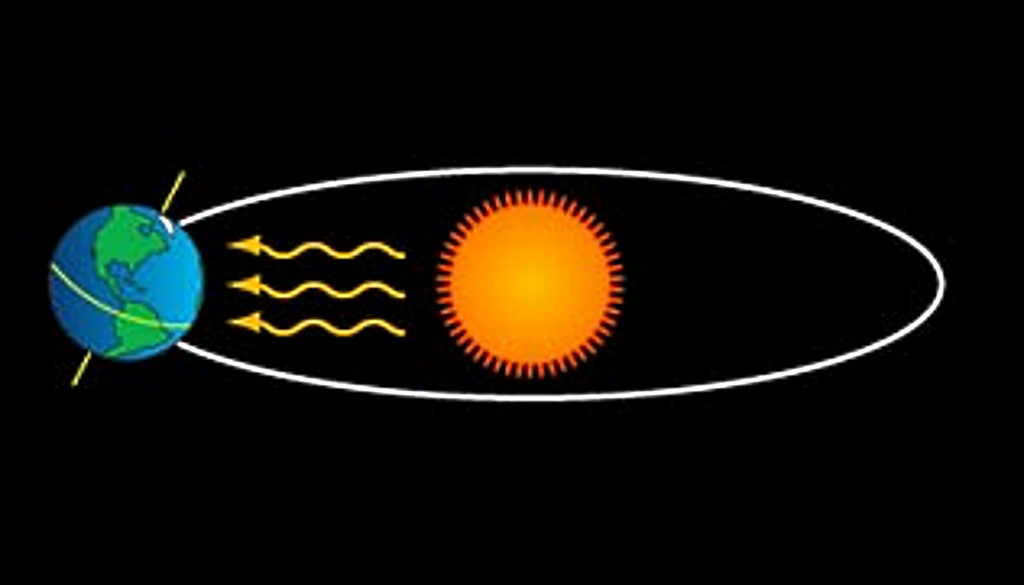
Earth will be at the farthest point in its orbit around the Sun on this date