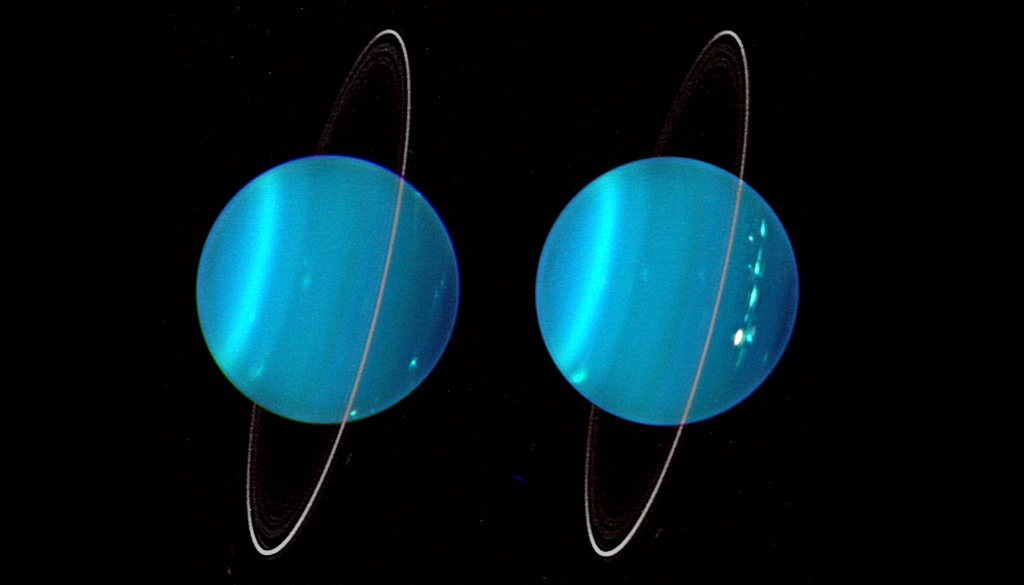
Conjunction of Uranus & the Sun
Uranus will pass close to the Sun in the sky as its orbit carries it around the far side of the solar system from the Earth.

Uranus will pass close to the Sun in the sky as its orbit carries it around the far side of the solar system from the Earth.
The summer solstice is the day when the Sun appears to reach its highest point in the sky during the year - it marks the start of summer in the Northern Hemisphere.
International Asteroid Day is a United Nations-recognized day observed each year on the anniversary of the Tunguska impact event of June 30, 1908.
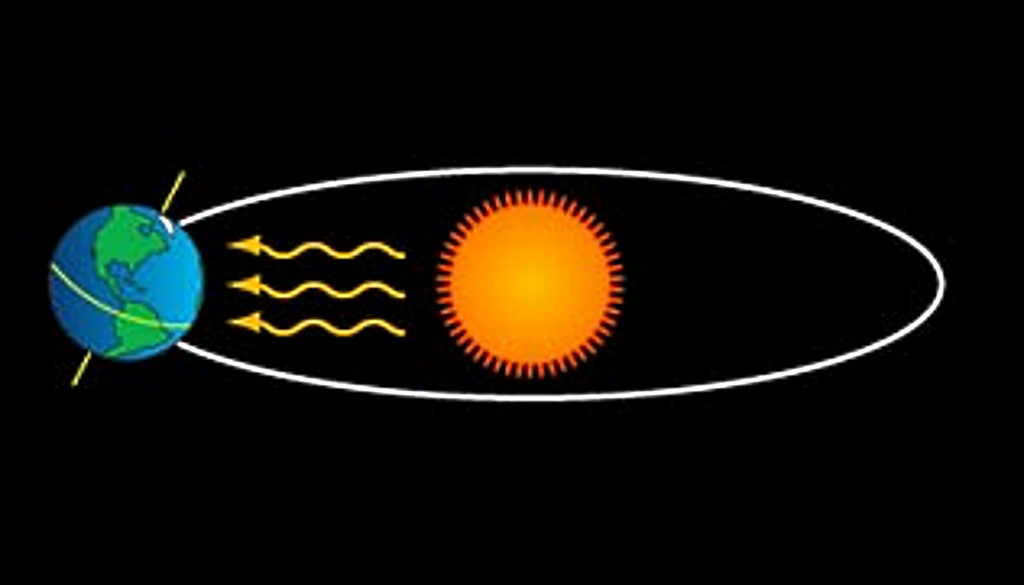
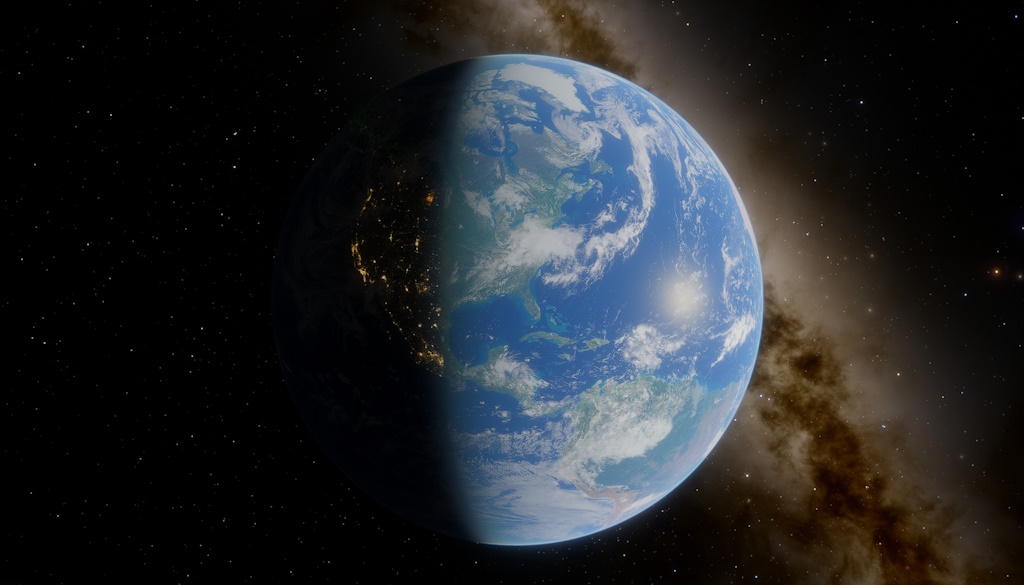
Earth will be at the farthest point in its orbit around the Sun on this date
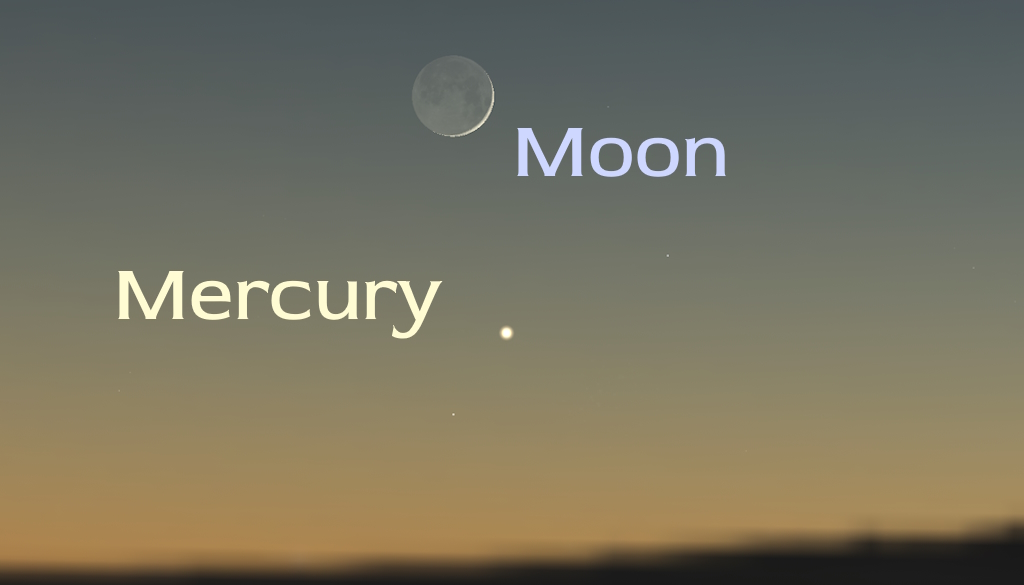
Mercury will appear close to the crescent Moon in the west-northwestern sky before sunset.
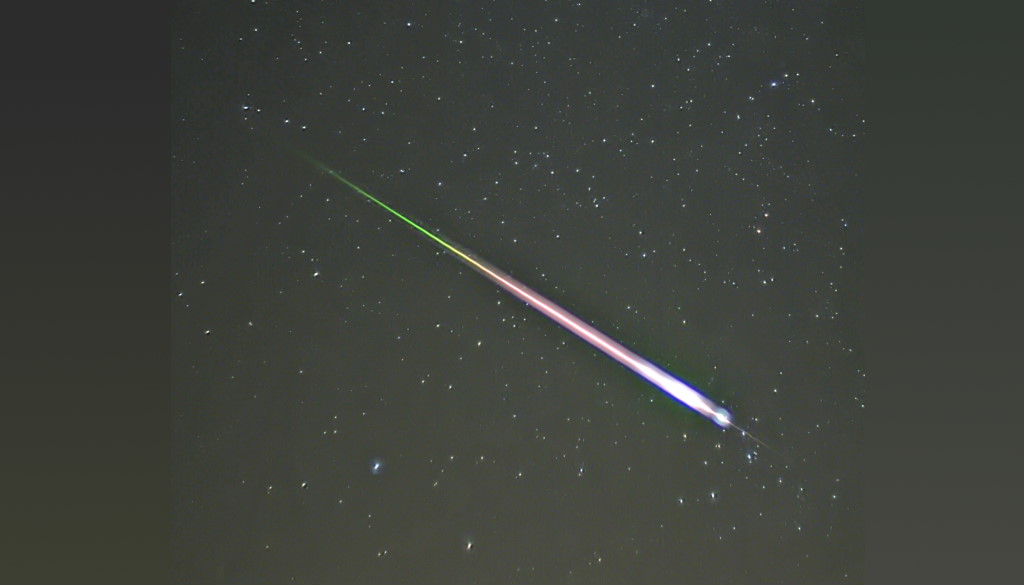
The Perseids are the most popular meteor shower as they peak on warm August nights as seen from the northern hemisphere. The Perseids are active from July 17 to August 24, peaking on August 12 - 13.
Fall begins with the autumnal equinox - in the Northern Hemisphere, it's the September equinox; in the Southern Hemisphere, it is the equinox in March.
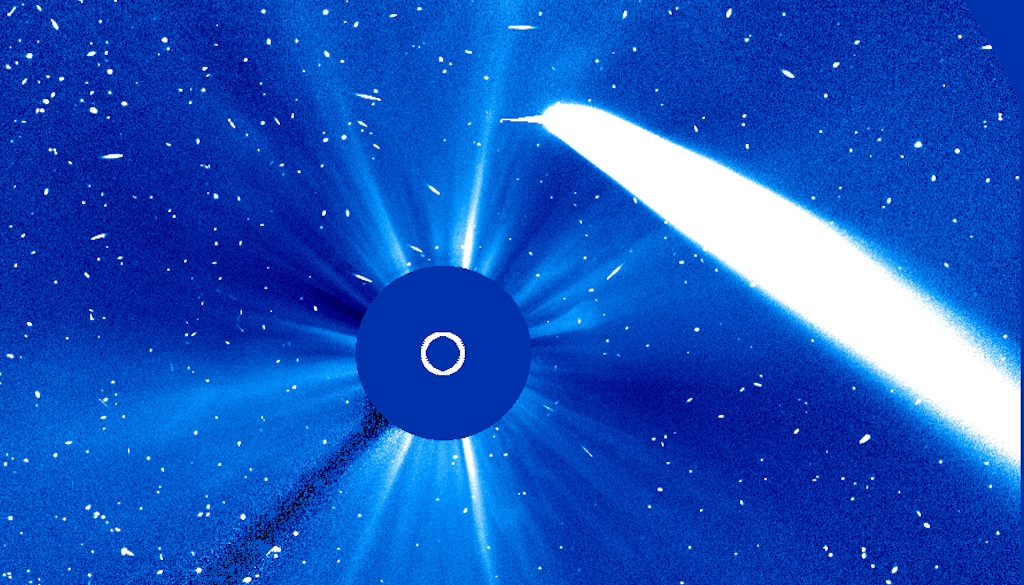
A comet. called a sungrazer, is passing VERY close to the Sun - right now!
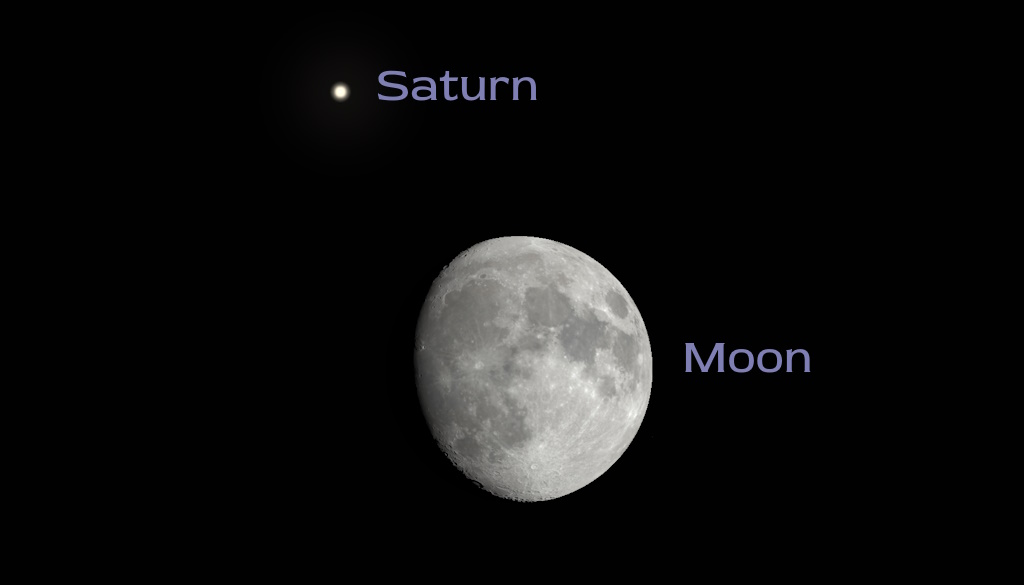
Saturn will pass within 0.1° of Saturn on this date.
Active from October 13th to December 2nd, 2021, peaks Nov 11-12th
The winter solstice, also called the hibernal solstice, occurs when either of Earth's poles reaches its maximum tilt away from the Sun.
The Ursids peak just before Christmas with rates of 5-10 meteors per hour during the late morning hours.