
Calendar
12 events found.
Astronomical Events
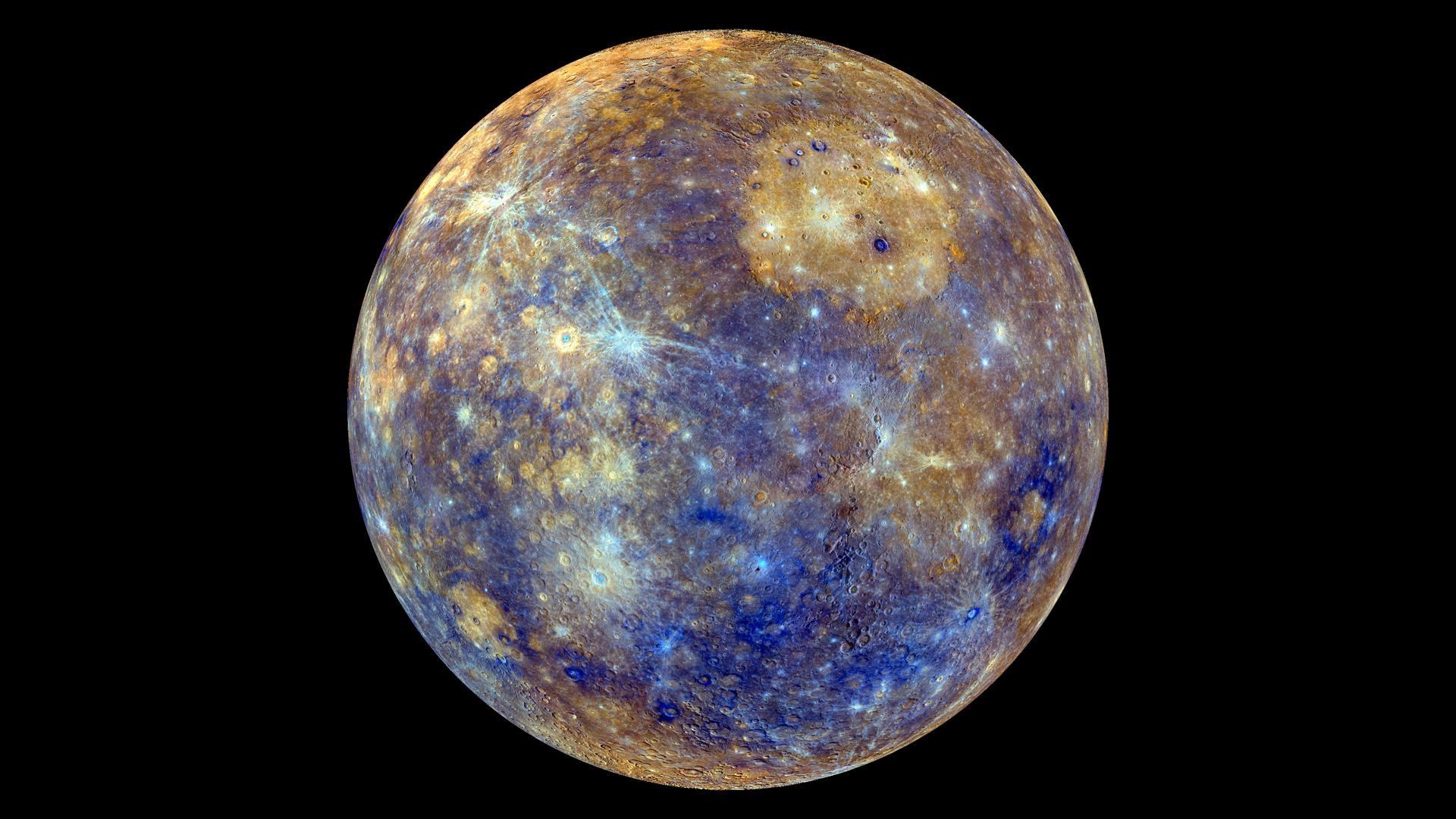
Mercury at Aphelion
Mercury's 88-day orbit around the Sun will carry it to its furthest point to the Sun – its aphelion – at a distance of 0.47 AU.
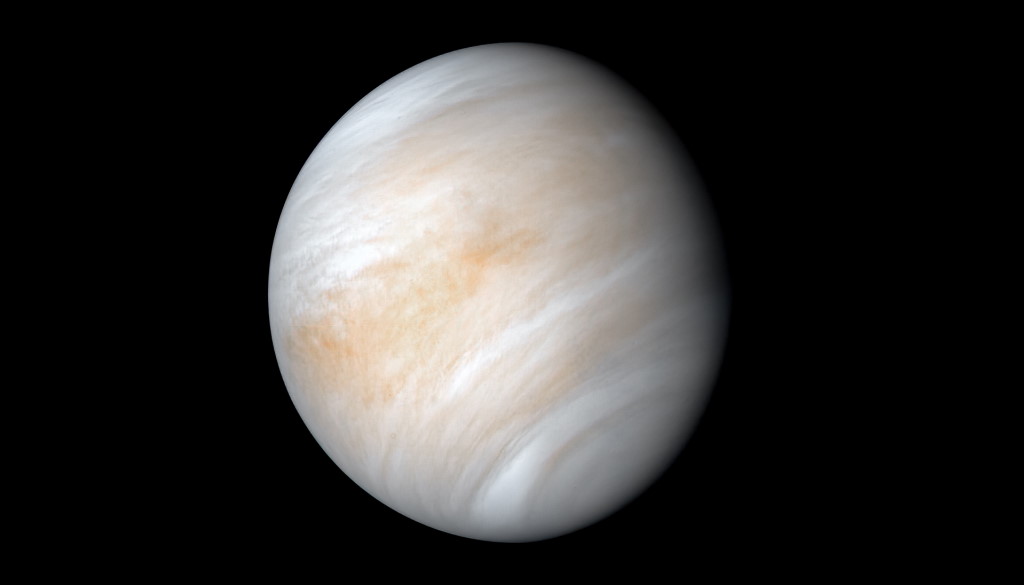
Venus at Perihelion
The planet Venus is a Perihelion (its closest approach to the Sun) on this date.
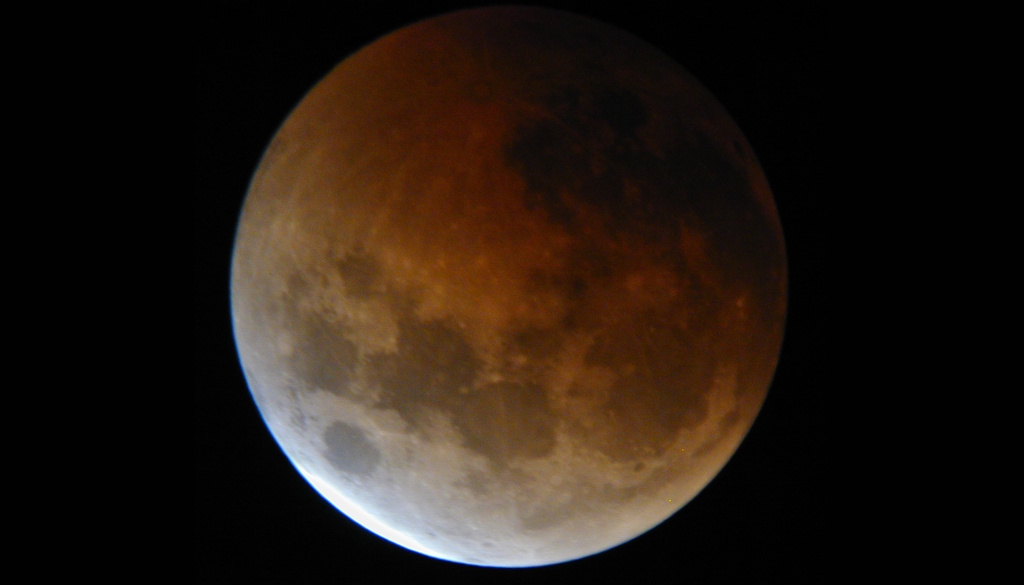
Total Lunar Eclipse
The Moon will pass into Earth’s shadow and appear to turn red on the night of March 13 or early in the morning on March 14.
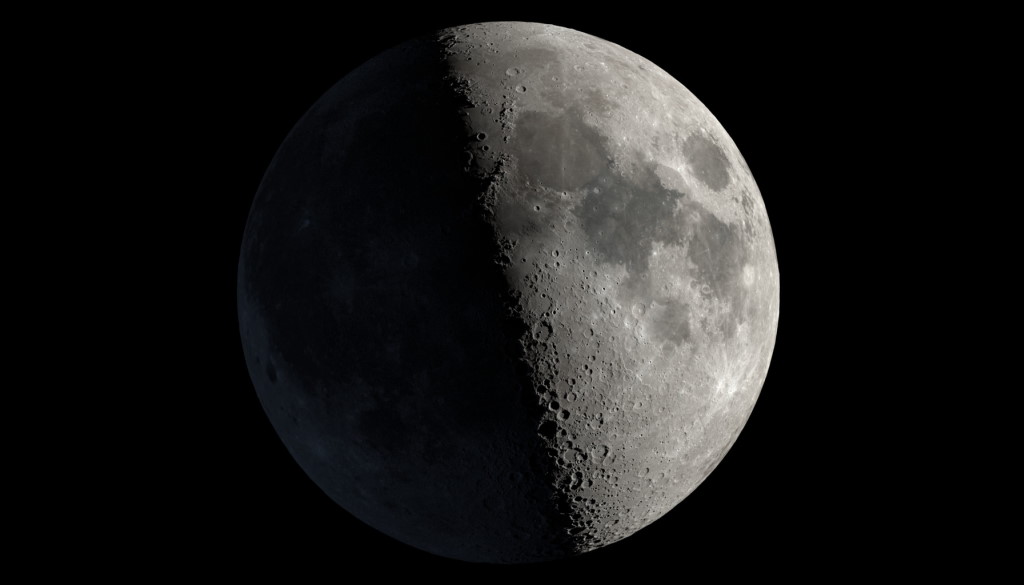
First Quarter Moon 2025
The Moon is at First quarter on this date -it will be visible high in the southern sky in early evening.
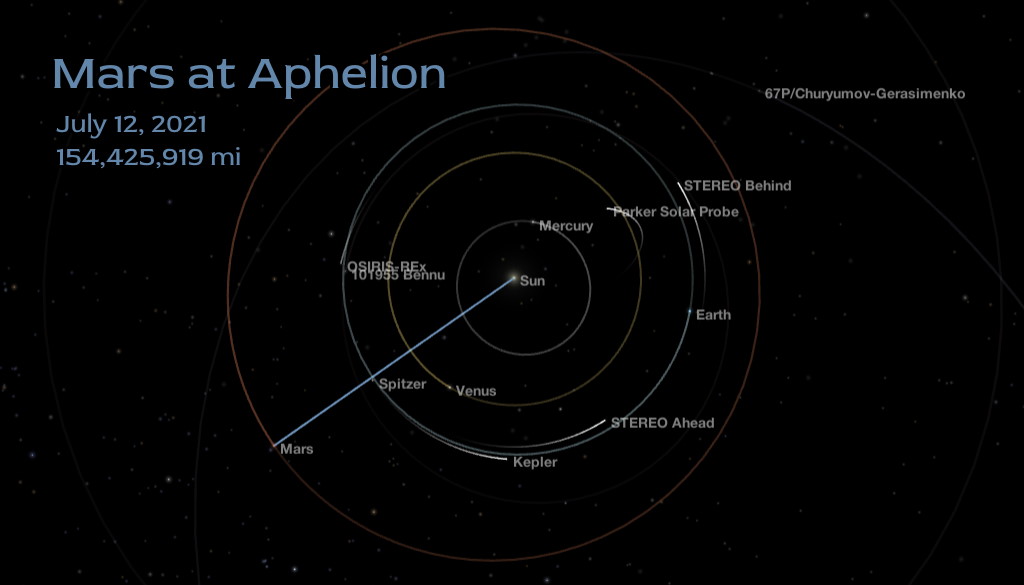
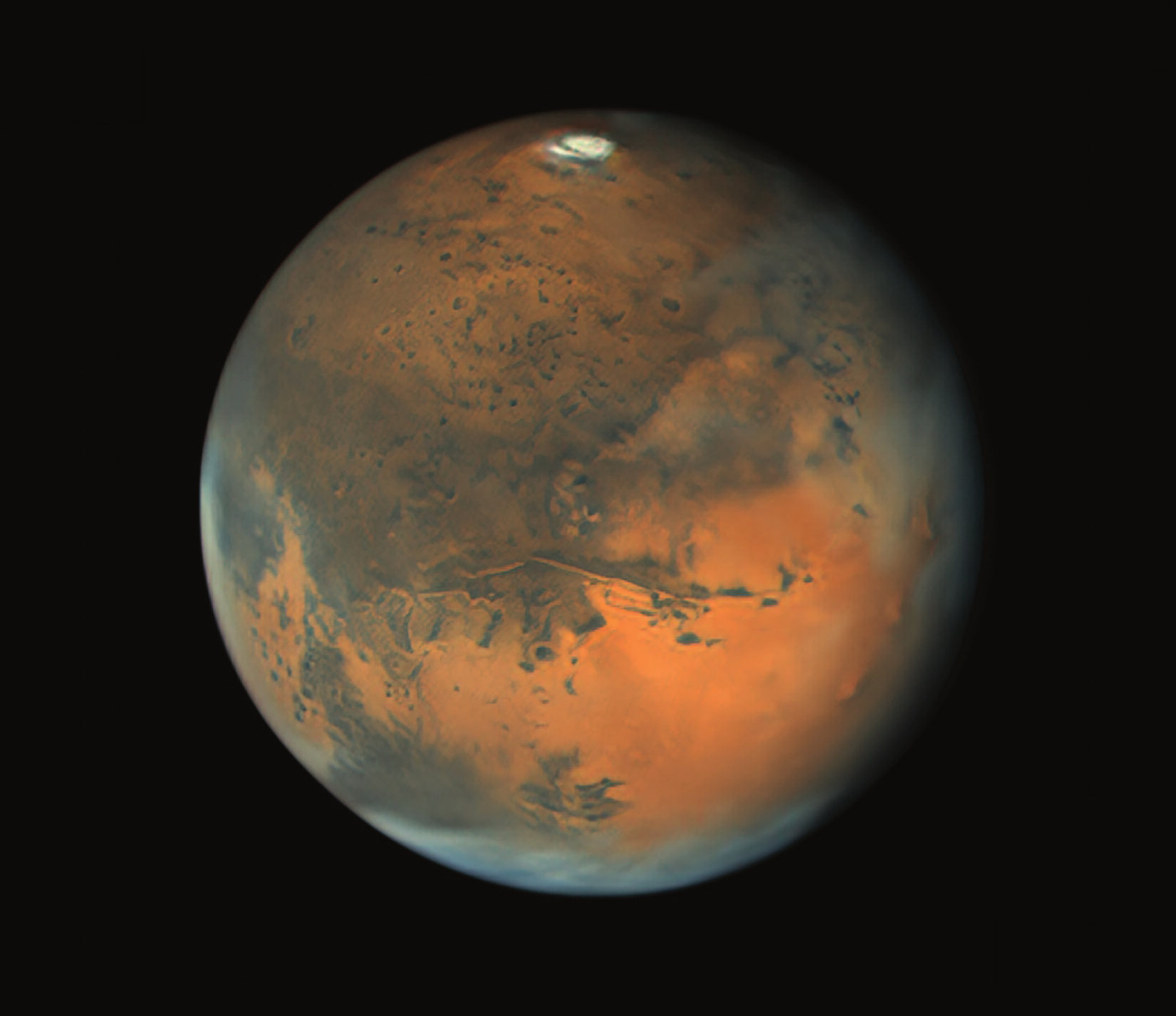
Mars at Aphelion
Mars will be at the farthest point in its orbit around the Sun on this date - 154,425,919.9 miles.
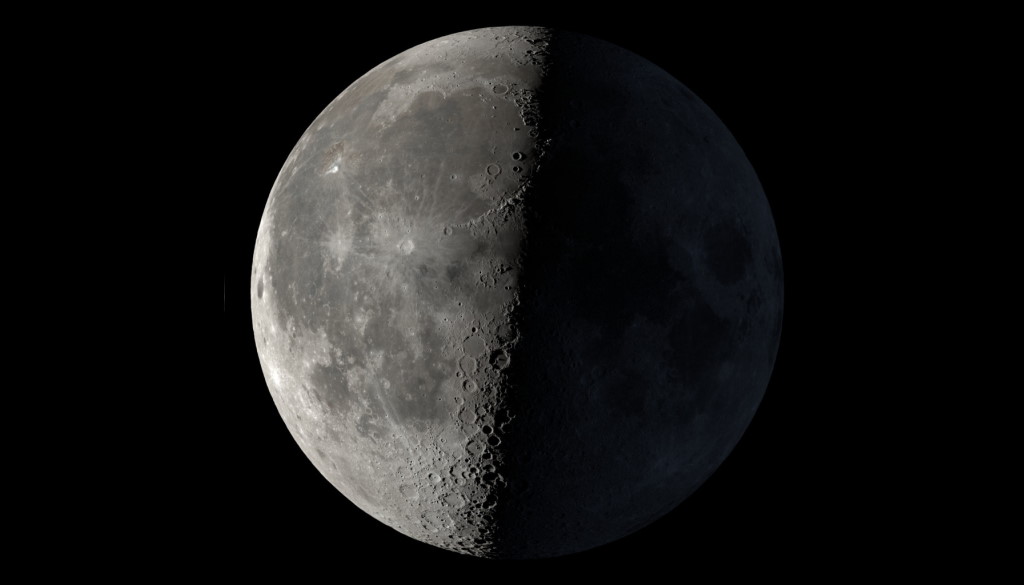
Last Quarter Moon 2025
The Moon is at Last Quarter (or Third Quarter) – rising around midnight, and visible to the south after sunrise.
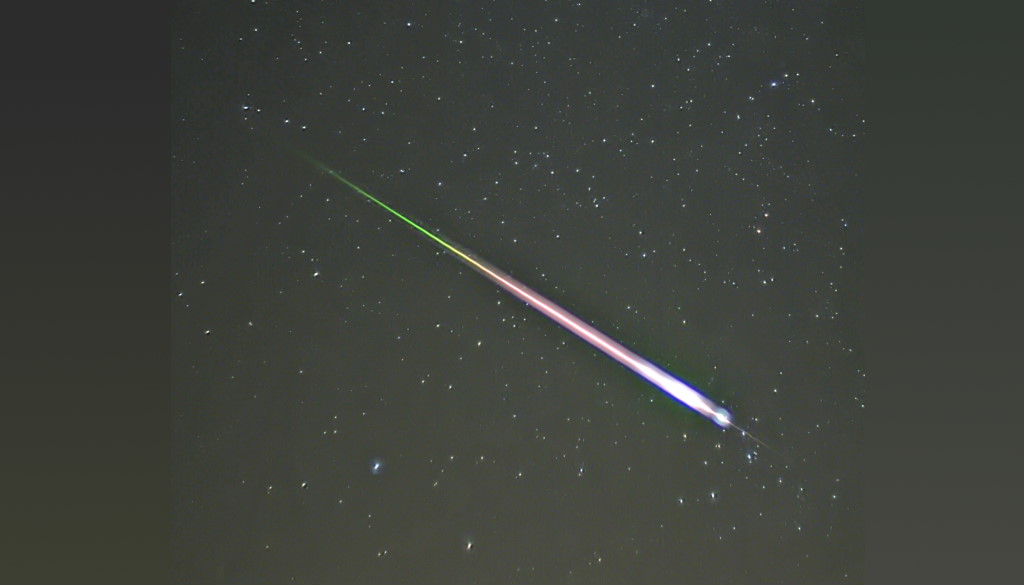
Lyrids Meteor Shower
Peak: ~Apr 21-22, 2020 The Lyrids are a medium strength shower that usually produces good rates for three nights centered on the maximum. These meteors also usually lack persistent trains […]
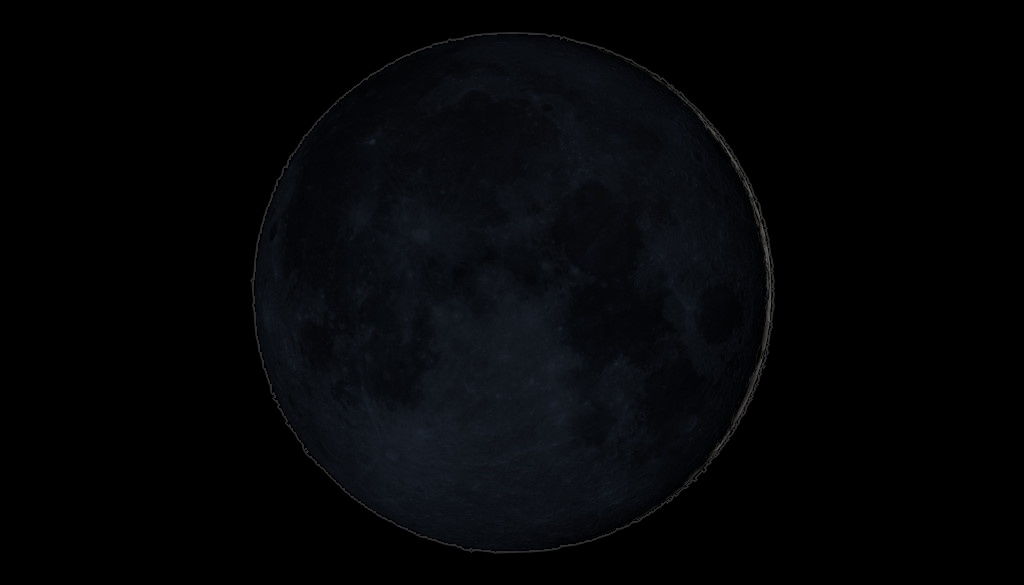
New Moon 2025
New Moon. By the modern definition, New Moon occurs when the Moon and Sun are at the same geocentric ecliptic longitude. The part of the Moon facing us is completely […]
Venus at Aphelion.
Venus's 225-day orbit around the Sun will carry it to its furthest point to the Sun – its aphelion – at a distance of 0.73 AU.