
• World Bicycle Day.

    In April 2018, the United Nations General Assembly declared June 3 as International World Bicycle Day. The resolution for World Bicycle Day recognizes "the uniqueness, longevity and versatility of the bicycle, which has been in use for two centuries, and that it is a simple, affordable, reliable, clean and environmentally fit sustainable means of transport." Read More: https://www.un.org/en/observances/bicycle-day https://en.wikipedia.org/wiki/World_Bicycle_Day

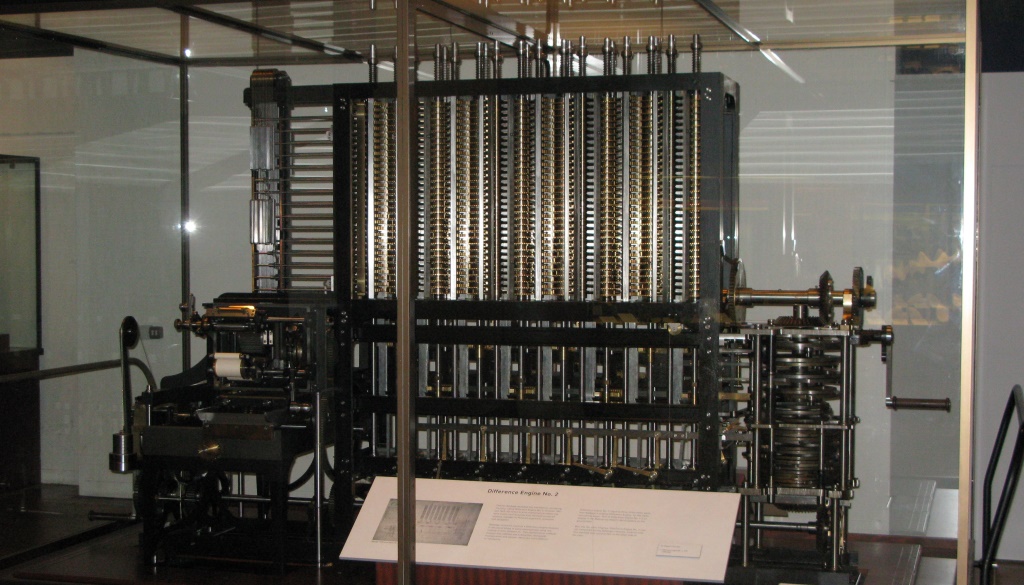
  • Charles Babbage’s paper on the difference engine, 1822

    Charles Babbage (1791-1871), computer pioneer, designed two classes of engine, Difference Engines, and Analytical Engines. Difference engines are so called because of the mathematical principle on which they are based, namely, the method of finite differences. The beauty of the method is that it uses only arithmetical addition and removes the need for multiplication and […]

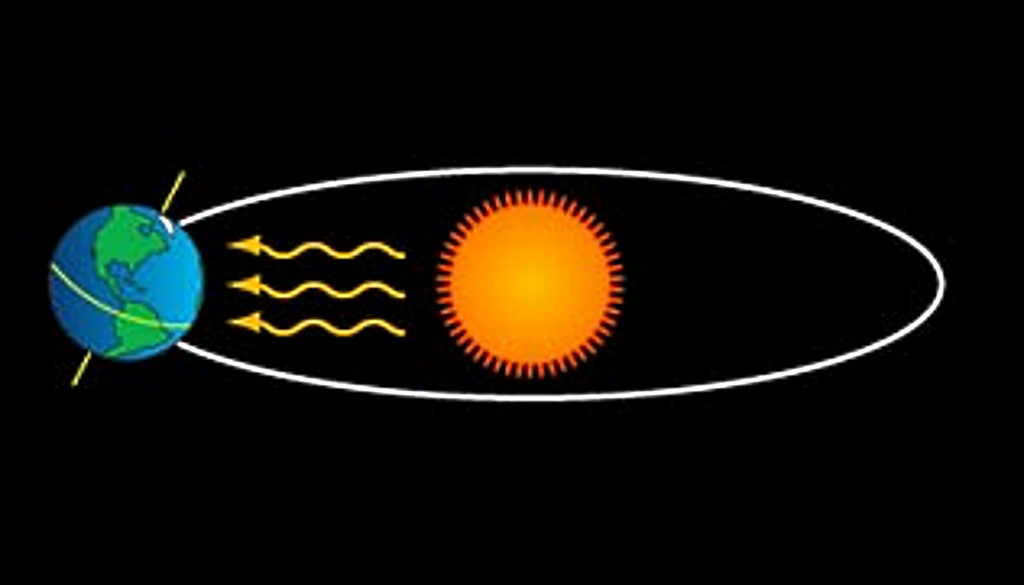
  • Summer Solstice

    The summer solstice is the day when the Sun appears to reach its highest point in the sky during the year - it marks the start of summer in the Northern Hemisphere.

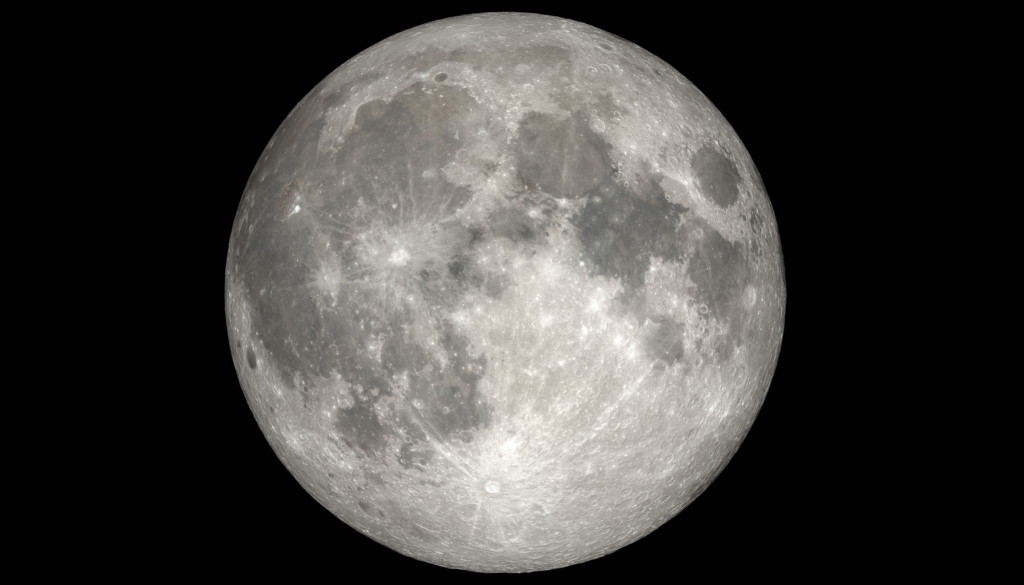
  • Full Moon

    Full Moon

    The Full Moon rises at sunset, and is visible all night. The Vatican Observatory's monthly Full Moon Meetup for Sacred Space Astronomy subscribers is held at 10:00 AM Tucson time.

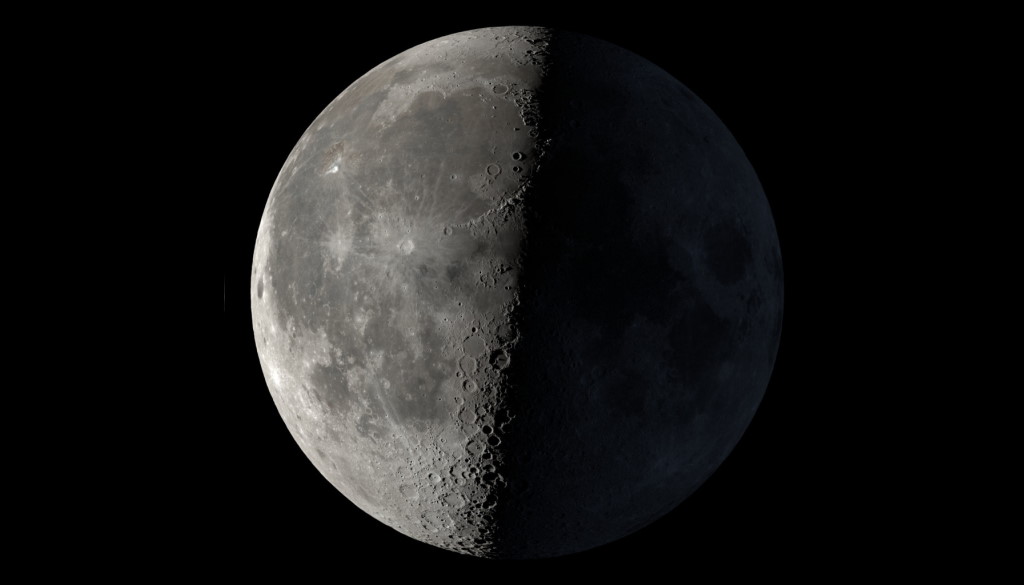
  • Last Quarter Moon

    The Moon is at Last Quarter (or Third Quarter) – rising around midnight, and visible to the south after sunrise.

  • International Asteroid Day

    International Asteroid Day is a United Nations-recognized day observed each year on the anniversary of the Tunguska impact event of June 30, 1908.

  • Canada Day.

    Canada Day (French: Fête du Canada) is the national day of Canada. A federal statutory holiday, it celebrates the anniversary of July 1, 1867, the effective date of the Constitution Act, 1867 (then called the British North America Act, 1867), which united the three separate colonies of the Province of Canada, Nova Scotia, and New Brunswick into a single Dominion within the British Empire […]

  • Thomas Harriot, mapped the Moon with a telescope 4 months before Galileo (d. 1621)

    Thomas Harriot was an English astronomer, mathematician, ethnographer and translator who made advances within the scientific field. Thomas Harriot was recognized for his contributions in astronomy, mathematics, and navigational techniques. Harriot worked closely with John White to create advanced maps for navigation. While Harriot worked extensively on numerous papers on the subjects of astronomy, mathematics and navigation, the amount of work that he actually […]